






Hidden GPS trackers planted in a car without the owner’s knowledge are a real and documented privacy threat. If you suspect someone may be monitoring your movements, RepScan’s privacy protection specialists can help you assess your situation and take action. These devices transmit your location in real time and can be used for stalking, harassment, or corporate espionage—often by someone you know.
How GPS trackers work — and why they’re a privacy risk
A GPS tracker uses satellite signals to pinpoint its geographic position and relays that data over mobile networks or Wi-Fi. Legitimate uses include fleet management, anti-theft systems, and pet tracking. The problem arises when someone installs one covertly on another person’s vehicle — an act that is illegal in most countries and can enable stalking, harassment, or domestic abuse.

Signs you might be tracked
These devices are small and easy to conceal, but certain signs are worth taking seriously:
- You feel followed or watched without apparent reason.
- You receive strange messages about your location.
- Strangers know details about your movements.
- You detect unusual noises or interference in your vehicle’s electrical system.
Where GPS trackers are typically placed
Trackers can be hidden in almost any part of the vehicle. Some of the most common locations include:
- Under the seats.
- Inside the roof or dashboard.
- In the trunk or spare wheel compartment.
- In the bumpers.
- In the tire wells.
- Integrated into electronic systems.
Run a thorough inspection with a flashlight and gloves. Any object you don’t recognize, or that looks recently attached, warrants closer attention.
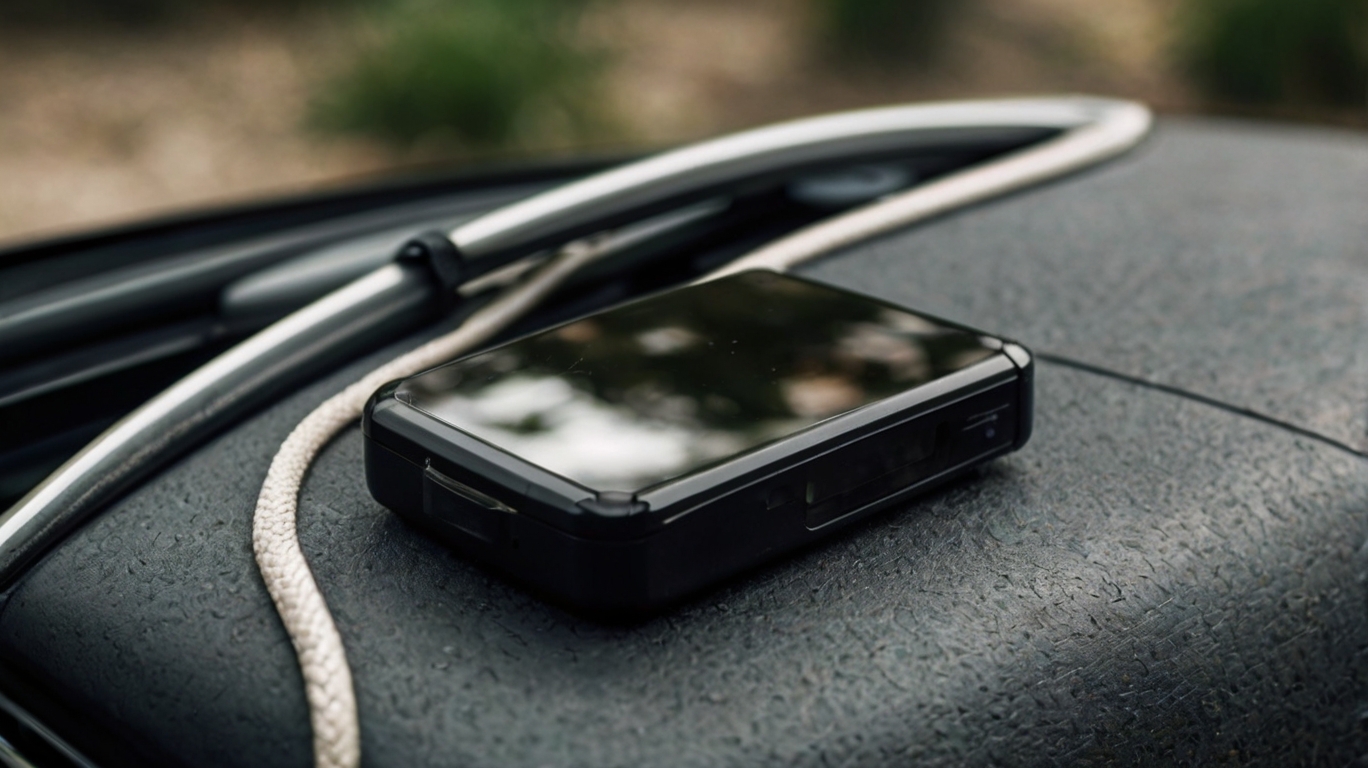
Tools and methods to detect trackers
1. Signal detectors
These portable devices can identify the presence of signal transmitters, such as those used by GPS trackers. They are especially useful if the tracker is active and transmitting data.
2. Mobile applications
If you suspect an AirTag or another Bluetooth device has been placed on you:
- iPhone: Apple automatically notifies you if an unknown AirTag is nearby for an extended period.
- Android: You can install the “Tracker Detect“ app to scan for nearby unknown devices.
In both cases, you can make the device sound to help you locate it.
3. Visual and manual inspection
Although not foolproof, a visual review can reveal suspicious objects. Check the areas mentioned earlier carefully and pay attention to surfaces that show unusual marks or dirt.
4. Professional inspection
If you’re unsure or can’t find anything, you can visit a specialized workshop or electronics expert. They have specific tools to detect hidden devices.

What to do if you find a GPS tracker
If you discover a device in your vehicle:
- Don’t destroy or manipulate it excessively. It could be important evidence.
- Document the discovery. Take photos and note the exact location where you found it.
- Report it to authorities. File a report with the police so they can investigate its origin and any possible crime.
- Consult with a lawyer. Especially if you suspect harassment, espionage, or a violation of your privacy.
Legal aspects of GPS tracker use
In the United Kingdom and most jurisdictions, placing a GPS tracker on someone’s vehicle without their consent can constitute a criminal offence. Courts have ruled that covert tracking violates the right to privacy and can give rise to charges including harassment and unlawful surveillance. The UK Information Commissioner’s Office (ICO) and the UK GDPR provide specific protections against this type of invasive monitoring.
If you discover a tracker has been placed on your vehicle, you have the right to report it and seek legal remedies. If the situation has also generated unwanted content online — leaked data, media coverage, or posts on social media — RepScan can help you manage and remove it.
How to prevent tracker placement
You can’t eliminate the risk entirely, but these steps make covert installation significantly harder:
- Park in monitored or well-lit areas.
- Install an alarm or anti-theft system that detects tampering.
- Check your vehicle frequently.
- Avoid sharing sensitive information or your locations on social media.
GPS tracker detection: common questions
Can I detect a GPS tracker without special equipment?
Yes, you can perform a thorough visual inspection of your vehicle’s common hiding spots. While this method isn’t foolproof, it can help identify obvious devices. For more reliable detection, signal detectors or professional inspection are recommended. Pay attention to any unfamiliar objects or recently disturbed areas in your car.
What should I do immediately after finding a tracker?
First, do not remove or damage the device—it may be crucial evidence for an investigation. Take clear photographs from multiple angles showing the tracker in place. Document the exact location and date. Then contact the police to file an official report, which will help establish a record for potential legal action. Consider consulting an attorney before taking further steps.
Is it legal for someone to track my car with a GPS device?
No. Installing a GPS tracker on someone’s vehicle without their knowledge or consent is illegal in most countries, including the UK and EU nations under the UK GDPR and GDPR framework. It can violate privacy rights and constitute harassment or stalking. If you’re a victim of unauthorized tracking, you have legal recourse through civil and criminal courts. Document everything and report it to law enforcement.
What are the risks of hidden GPS trackers?
Hidden GPS trackers pose serious safety and privacy risks. They enable unauthorized surveillance of your movements, which can lead to stalking, harassment, theft, or other crimes. They can also be used to gather sensitive information about your routines, locations, and daily habits. Victims often experience anxiety and loss of personal safety. Early detection and removal are key to protecting yourself.
Can mobile apps reliably detect all types of trackers?
Mobile apps like Apple’s tracking notifications and Tracker Detect for Android are effective at finding Bluetooth-based trackers such as AirTags, but they won’t detect all GPS trackers. GPS trackers that rely on satellite signals or cellular networks may not be visible to these apps. For comprehensive detection, combine app scanning with physical inspection and consider professional signal detector services if you suspect more sophisticated tracking devices.
How often should I check my vehicle for trackers?
If you’re concerned about potential tracking, perform a thorough inspection monthly or whenever you notice suspicious activity. Pay special attention after your car has been parked in unfamiliar locations or left unattended for extended periods. Regular checks can help you catch any devices early. In high-risk situations or if you suspect active surveillance, more frequent inspections or professional sweeps are advisable.
When physical tracking becomes an online reputation problem
Covert tracking rarely stays offline. If footage, data, or information gathered through a hidden tracker is published online — on social media, forums, or news sites — the damage to your reputation can be severe. RepScan specialises in detecting and removing harmful content about you from the internet, handling privacy violations discreetly and professionally.
If your situation has already reached the web, request a free assessment and find out what can be removed.