





More and more people wonder whether they might find hidden cameras in hotels. While it’s not something that happens frequently, there have been real cases where guests have discovered recording devices hidden inside everyday objects. These situations raise concerns, especially when privacy and security are at risk. If you suspect this has happened to you, RepScan can help you remove sensitive content from the internet.
The law is clear and the majority of establishments comply with regulations. But knowing what to look for — and what to do if you find something suspicious — is how you stay protected.
Is it legal to install cameras in hotels?
The short answer is yes, but with very clear restrictions. The installation of surveillance cameras in hotels is regulated by the UK GDPR and the Data Protection Act 2018, which set out the legal framework for how personal data, including video recordings, must be handled. These regulations establish that cameras can only be used for legitimate purposes, such as ensuring the security of people, property, or the facilities themselves. In all cases, they must respect the right to privacy.
This means that cameras can be present in common areas, such as reception, corridors, lifts, or entrances, but their installation in private spaces such as bedrooms, bathrooms, or changing areas is absolutely prohibited. Placing a camera in a bedroom without the guest’s knowledge would be a direct violation of the right to privacy and could constitute a criminal offence.

What are hotels’ obligations?
Any establishment that uses cameras must display clear signage before people enter the monitored area. This signage must indicate who is responsible for processing the images and how to obtain further information. Additionally, recordings can only be retained for a maximum of 30 days, unless they are being used in a judicial or police investigation. Access to recordings is limited exclusively to authorised personnel, and their processing must comply with both the UK GDPR and relevant data protection legislation.
The risk of hidden cameras
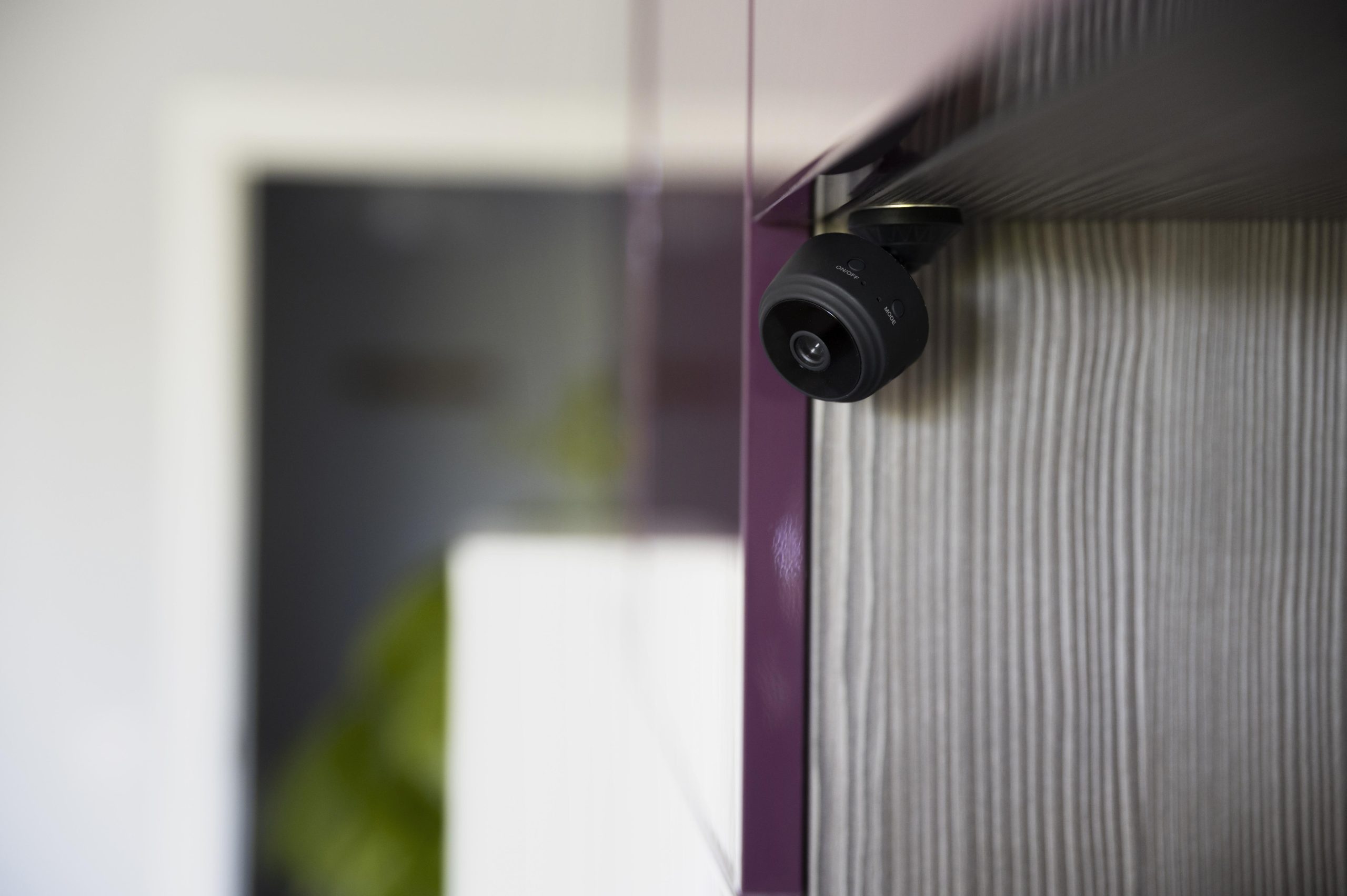
Security expert María Aperador, who specialises in human risks in cybersecurity, has addressed this topic in a video that went viral on TikTok. In it, she warns of how easy it is to purchase spy cameras online. Many of them, for under £60, are available on platforms such as Amazon and can be disguised as watches, plugs, smoke detectors, or USB chargers.
According to Aperador, it is not as rare as we might think to find hidden devices in hotel rooms, and she recommends taking precautions. In particular, she suggests using hidden camera detectors, tools that allow you to identify radio frequency signals or infrared reflections that may reveal the presence of a camera.
How to detect a hidden camera in a hotel
Although there is no foolproof method, you can take some preventive measures to increase your safety during a hotel stay:
- Do a visual inspection: pay attention to objects that seem out of place or have no clear function.
- Turn off or unplug suspicious devices, especially if you don’t need to use them.
- Use a hidden camera detector, which you can purchase online, and scan your room when you arrive.
- Cover possible recording points with clothing or accessories if you don’t feel safe.
- Keep curtains closed when you are changing clothes or need privacy.
What to do if you find a camera
If you suspect there is a hidden camera in your hotel room, the most important thing is to stay calm and follow these steps:
- Do not touch or disconnect the device.
- Take photos and videos that document its location and appearance.
- Inform the hotel reception and demand an immediate explanation.
- Report the incident to the police. Authorities can assess whether this constitutes a crime against privacy.
- File a complaint with the ICO (Information Commissioner’s Office) if you believe your rights have been violated.
This type of incident is serious and can have legal consequences for those responsible. Additionally, victims may be emotionally affected, especially if there is suspicion that the images have been distributed.
How can RepScan help?
At RepScan, we are committed to protecting the digital reputation and privacy of our users. If you have been a victim of unauthorised recording or if you have discovered that images of you have been published without your consent, we can help you.
Our specialised legal team is in charge of removing sensitive content from the internet, managing complaints with search engines and social networks, and taking legal action against those who violate your rights. We act quickly and effectively to help you regain control of your image and peace of mind.
If footage from a hidden camera ends up online
Concern about the existence of hidden cameras in hotels is justified. Although the law is clear and the majority of establishments comply with regulations, there are exceptions that can put your privacy at risk. Educating yourself, taking preventive measures, and knowing how to act if you suspect an irregular situation — that’s how you protect yourself.
At RepScan, we can help you if you detect a privacy violation in a hotel or if personal content has been distributed without your permission. You are not alone: protecting your privacy is also protecting your digital identity.
Frequently asked questions
Can hotels legally record in guest rooms?
No. UK data protection law and the GDPR strictly prohibit recording in private spaces such as bedrooms, bathrooms, or changing areas without explicit consent. Cameras are only permitted in common areas such as receptions, corridors, and entrances.
How long can a hotel keep CCTV recordings?
According to data protection regulations, CCTV recordings can be kept for a maximum of 30 days, unless they are part of an ongoing investigation. After this period, they must be deleted unless there is a legal or security reason to retain them longer.
What should I do if I find a hidden camera in my hotel room?
Stay calm and do not touch the device. Take photos and videos as evidence, report it to the hotel management immediately, and contact the police. You can also file a complaint with the ICO if you believe your privacy rights have been violated.
Are spy cameras legal to sell online?
The sale of spy cameras is legal in many jurisdictions, but their use is tightly regulated. While selling them is permitted, using them to record people without consent is illegal and can result in serious criminal charges.
Can I pursue legal action if my privacy was violated?
Yes. If you are a victim of unauthorised recording, you can file a complaint with the police, pursue civil action against the perpetrator, and submit a complaint to the ICO. You may also be entitled to compensation for damages to your privacy.
What is the role of the ICO in protecting my privacy?
The ICO (Information Commissioner’s Office) is the UK’s independent authority for data protection. If you believe your privacy rights have been violated, you can lodge a complaint with them. They investigate breaches of the UK GDPR and the Data Protection Act 2018 and can take enforcement action against organisations that break the law.