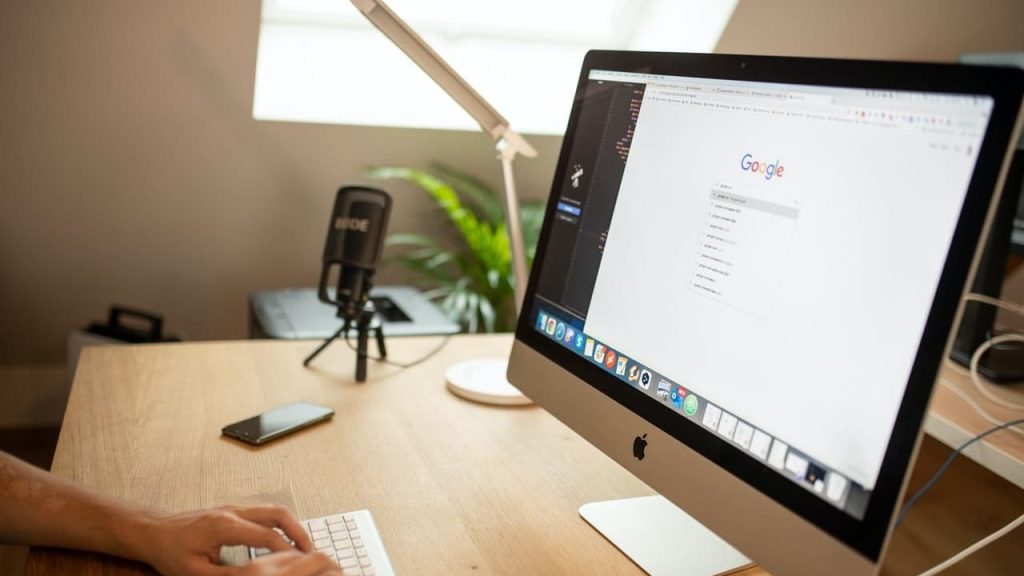





What you published ten years ago on Twitter can still show up in a Google search tied to your name today. Even if you now use X exclusively for professional topics, that history doesn’t disappear on its own.
Deleting old tweets isn’t a matter of aesthetics. It’s a strategic decision to protect your professional reputation.
Why old tweets can damage you
Social networks evolve, and so does your career. What was once an informal opinion can now be misinterpreted out of context.
- Old political comments.
- Humor that no longer fits your professional profile.
- Heated debates.
- Opinions that clash with your current sector.
A single tweet going viral years later can create an unnecessary reputation problem.

How to delete old tweets on X
X doesn’t allow you to delete all old tweets in bulk from its standard dashboard. The usual options are:
- Manual deletion one by one.
- Use of external bulk cleanup tools.
- Completely closing the account.
Manual deletion is slow. External tools may have technical limitations or access risks. Closing your account entirely is a drastic step.
Moreover, deletion doesn’t always mean disappearance. Some tweets may remain temporarily indexed by search engines.
What to do if your tweets already appear on Google
If the problem isn’t just the tweet but its visibility in search engines, the approach changes. At that point we’re talking about de-indexing and removal from the source.
That’s where professional digital reputation management comes in: acting on both the platform and search results.
Strategy to protect your professional reputation
Protecting your reputation means reviewing your full digital footprint:
- Analyze what appears when someone searches your name.
- Detect sensitive publications.
- Remove or request takedown when appropriate.
- Strengthen your presence with current and professional content.
If you work in a corporate, legal, financial, or highly public-facing environment, this kind of oversight matters even more.
At Repscan, you can activate the removal of content on social networks, profiles, and indexed results that affect your professional reputation.
Frequently Asked Questions
Can I delete all my old tweets at once?
X doesn’t offer a built-in bulk delete feature. You’ll need to delete tweets one by one manually, use third-party tools, or consider account deletion. Most users combine manual deletion of sensitive tweets with tools to handle the high volume.
Will deleting a tweet remove it from Google search results?
Deleting a tweet removes it from X, but Google may take days or weeks to re-crawl and update its index. For faster removal, you can request de-indexing directly through Google Search Console. If the content has spread elsewhere, you may need to contact those platforms or websites as well.
What are the risks of using third-party tweet deletion tools?
Third-party tools require API access to your account, which carries security risks if the service isn’t reputable. Always check their privacy policy and permissions they request. Less reliable tools may also fail to delete tweets properly or get rate-limited by X’s API.
Can old tweets hurt my professional reputation?
Yes. Employers, clients, and the public often search for your name online before engaging with you. Old tweets with outdated opinions, inappropriate humor, or controversial statements can create a negative first impression and impact career opportunities.
Is it better to delete tweets or make my account private?
Making your account private limits visibility to followers, but doesn’t prevent cached versions or screenshots from circulating. Deleting sensitive tweets is a stronger solution if they pose a reputation risk. A combination of both—privacy settings plus selective deletion—often works best.
How long does it take for deleted tweets to disappear from search results?
Once you delete a tweet from X, search engines may take anywhere from days to several weeks to remove it from their index, depending on how often they crawl your profile. You can speed this up by requesting removal through Google Search Console or Bing Webmaster Tools.

En RepScan se encarga de Growth y del ecosistema digital de la compañía (web y eshop). Escribe sobre reputación online, eliminación de contenido perjudicial y protección de la identidad digital de personas y empresas.
Ver perfil de LinkedIn