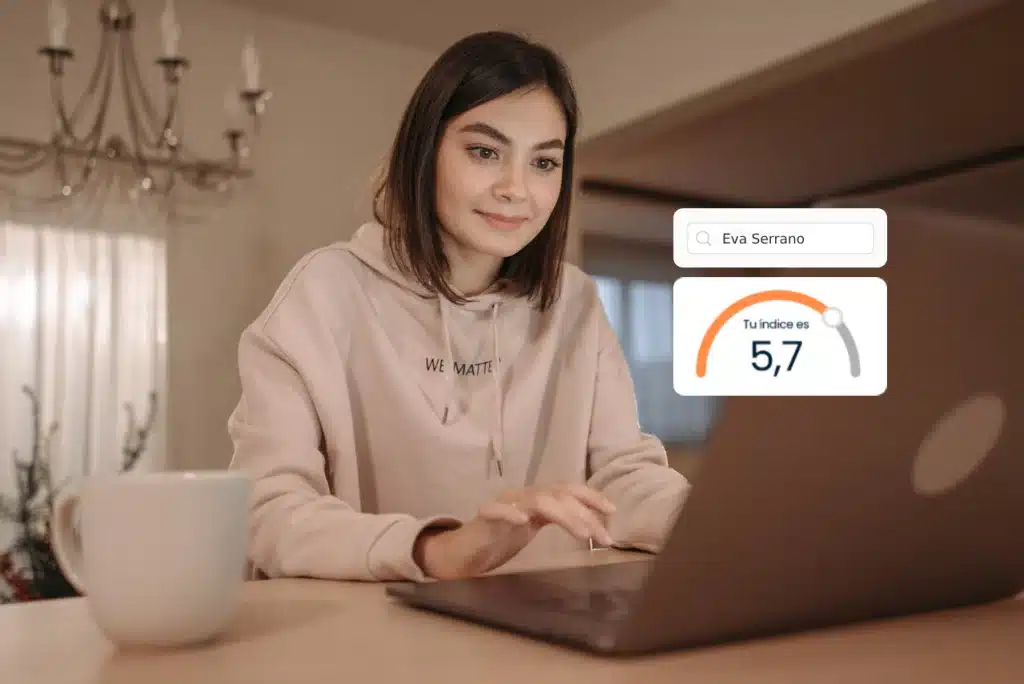






Photos of your children can end up online without your knowledge or consent — shared by family, friends, or even strangers on social media, blogs, and forums. When that happens, you have the right to act: the UK GDPR and the ICO provide real protections, and there are concrete steps you can take today to get those images removed. Our specialist image removal service handles the process end to end if you need expert support.
Is a photo of you harming your image?
Photos of your children shared online without permission
When a photo of a minor is published without the consent of a parent or legal guardian, a fundamental right is violated: the right to image and privacy. Beyond the legal dimension, there are real, concrete risks:
- Loss of control over distribution: once a photo is online, you lose control of where it goes. It can be copied, forwarded via messaging apps, downloaded by third parties, or re-shared across other profiles and websites without your consent.
- Malicious use: images of minors can be stolen and used in harmful contexts — fraudulent websites, inappropriate content, or even to build false identities used in scams or impersonation schemes.
- Cyberbullying and harassment: when images show a child in compromising, embarrassing, or private situations, they can become a target for offensive comments, digital bullying, or harassment from strangers or classmates.
- Unwanted long-term exposure: overexposure online can affect a child’s self-esteem or future safety. Images that seem innocent today may cause harm later in life — during job interviews, college applications, or personal relationships.

Who can legally publish photos of a child?
Under UK GDPR and the Data Protection Act 2018 — enforced by the ICO (Information Commissioner’s Office) — children’s images receive heightened protection. For a photo to be published lawfully:
- The explicit consent of both parents is required, unless one holds sole parental responsibility by court order. Consent must be clear and documented in any dispute.
- Good intentions are not enough: if someone is not a legal guardian, they are not authorised to make decisions about a child’s image. This includes grandparents, aunts and uncles, and teachers — all need the parents’ express permission.
- In the case of media outlets or public accounts, there must be a legitimate and proportionate interest. Even then, the child’s face must be blurred or the child made unidentifiable if consent has not been granted.
Publishing without meeting these requirements may constitute a breach of the right to image and of UK GDPR, potentially leading to complaints to the ICO, civil liability, or legal action.
First steps when you find an unauthorised photo of your child online
If you find a photo of your child online and you did not give consent, stay calm and move quickly. Here is what to do:
1. Take screenshots: Save evidence of the original publication. Make sure you capture:
- The image as it appears published
- The username or account that shared it
- The date and time of publication
- The URL or direct link to the post
- Any comments or reactions that show harm or reach
This evidence will be valuable if you decide to consult a solicitor, file a complaint, or submit a removal request to the platform.
2. Contact whoever posted the photo: In many cases this is a misunderstanding or an action taken without malicious intent. Send a clear, firm message in which you:
- Make clear that you did not consent to the publication
- Request the immediate removal of the image
- State that, if it is not removed, you may take legal action
This first step resolves the problem in many cases without any need for escalation.
3. Submit a removal request to the platform: Almost all social networks and digital platforms have specific forms for reporting content that involves minors. In these forms you can:
- Report “misuse of images of a minor”
- Flag a violation of the right to image
- Provide proof of your relationship to the child (for example, a birth certificate or parental ID)
Some platforms fast-track cases involving minors.
4. Set up alerts and monitor: Use tools like Google Alerts to receive notifications whenever your child’s name or a combination of their names appears online. In addition:
- Carry out regular reverse image searches via Google Images
- Check popular social networks to see if the image reappears
- Verify whether the publication has been shared on other websites
Regular monitoring allows you to act quickly if the image starts circulating again.
When to bring in a professional
Removing content from the internet is not always straightforward, especially when it has been replicated across multiple sites. If you are facing difficulties or the publication is causing ongoing harm, professional help is worth considering:
- Solicitors specialising in digital law: they can help you file a formal complaint, send legal notices, or pursue legal action if necessary.
- Online reputation specialists like RepScan: they manage removal requests, negotiate with platforms, apply technical measures (de-indexing, deletion) and guide you through the entire process. Their intervention tends to be faster and more effective than acting alone.
How to prevent it from happening again
Removal is harder than prevention. These measures reduce the risk before a problem starts:
- Talk to your inner circle: let family, friends, teachers, and close contacts know they must ask you before posting any photo of your children. Make clear this is about protection, not distrust.
- Review privacy settings on social media: on platforms like Facebook or Instagram, check who can see your posts, who can share them, and who can tag you. Choose the most restrictive settings for family photos.
- Teach your children about their own privacy: adapt the message to their age and maturity. Explain that they have the right to decide about their image, and that they should check with you before sharing photos of themselves or their siblings.
- Avoid sharing compromising images: even if they seem funny or heartfelt, avoid photos that show your children undressed, in vulnerable situations, or that could embarrass them in the future.
- Ask not to be tagged without permission: many platforms allow you to review posts you are tagged in before they appear on your profile. Enable this feature to stay in control of what gets shared.
When it’s time to call in a specialist
If photos of your children have been shared without your consent, you have the right to act — and real tools to do it. Legal channels, platform takedowns, and de-indexing requests all work. When the situation is urgent or the image has spread widely, acting alone can be slow and frustrating. RepScan manages the entire removal process on your behalf, so you can focus on your family while we handle the rest.
Frequently Asked Questions
Can I have photos of my child removed from social media without the other parent’s agreement?
In most cases, either parent can independently request the removal of images that affect a child’s rights, since both share parental responsibility. You do not need the other parent to agree in order to submit a removal request to a platform or to contact the ICO. If there is a dispute between parents, seeking legal advice is recommended.
What can the ICO do if my child’s image has been shared without consent?
The ICO (Information Commissioner’s Office) is the UK’s data protection authority. You can file a complaint with them if an organisation — such as a media outlet, school, or business — has published your child’s image without lawful basis under UK GDPR. The ICO can investigate and issue enforcement action. For private individuals sharing personal images, civil routes or platform reports are typically the more direct path.
How long does it take to remove a photo from the internet?
Timelines vary considerably depending on the platform and how widely the image has spread. A direct request to the person who posted it can resolve the situation within hours. Platform moderation processes typically take between a few days and several weeks. When content has replicated across multiple sites, professional help with coordinated removal and de-indexing requests is generally faster and more effective.
Can a grandparent or other relative legally post photos of my child?
No. Under UK GDPR and general principles of children’s image rights, only the child’s legal guardians — usually both parents — can authorise the publication of the child’s image. Good intentions do not create legal permission. If a relative posts photos without asking, you can request removal directly or use the platform’s reporting tools, and you would be acting within your rights to do so.
What if the image has already been shared on multiple sites?
When a photo has spread beyond the original post, the process becomes more complex but is still manageable. It requires identifying all the sites hosting the image, submitting individual removal requests to each, and requesting de-indexing from search engines to prevent the image from appearing in results even if residual copies exist. This is the kind of coordinated work that a specialist like RepScan handles on your behalf.
Is sharenting — parents posting their own children’s photos — legally regulated?
Sharenting falls in a legal grey area in the UK: parents have broad discretion over what they share about their children, but they are expected to act in the child’s best interests. As children grow older, they acquire increasing rights over their own image. There is growing discussion in legal circles about children’s right to a private digital footprint, and some jurisdictions are beginning to introduce specific protections. For now, the best guide is thoughtfulness: consider whether the child — as a future adult — would consent to each image being public.