

teléfono de contacto repscan   936 386 559

chatroulette

Chatroulette Dangers: What You Need to Know

Chatroulette is one of the most widely used services on the internet because it can be fun and interesting to meet people. However, if not used carefully, it can quickly become a nightmare for many users.

In this article, we’ll dive deeper into the subject so you understand what Chatroulette is and the risks it poses.

What is Chatroulette?

Chatroulette is a web service where people who connect are matched randomly with other users on the platform. Users connect with a webcam and microphone, creating a system that allows people to meet and communicate with each other.

As the name suggests, Chatroulette includes a chat service through which people can communicate. This way, since users from all over the world connect, it facilitates communication between them.

In addition to this, it offers various options, such as the ability to skip conversations with people you’re not interested in and continue searching for other random connections.

Why is Chatroulette and Similar Sites So Popular?

Chatroulette is quite famous for several reasons.

First of all, it’s an extremely accessible platform. It doesn’t put up any barriers to anyone who wants to use it—simply turn on your webcam and, without any registration or hassle, start connecting with other people.

On the other hand, it’s a perfect application for meeting people easily and comfortably. The fact that it’s a free application has helped make it quite famous, and of course, the use that many influencers have made of the platform has turned it into one of the most visited sites.

Finally, due to the nature of the platform itself, much like other sites that work in the same way, Chatroulette is used by many users to engage in sexting.

The Dangers of Chatroulette

Connecting anonymously with strangers may not be as safe as you think. Just as it’s dangerous to stop and talk to any random person on the street without knowing them first, on Chatroulette you never know who you’ll be connecting with.

On the other hand, many users use a video instead of their actual webcam image. This creates a false impression, with people impersonating others or sharing dubious advertising content.

Scams and fraud are common if you’re not careful on Chatroulette.

Sharing any kind of sexual content through this platform will compromise you for the rest of your life. Remember that you’re talking to a complete stranger you don’t know and have no idea what their intentions might be.

Extortion Cases Through Chatroulette

Extortion cases through Chatroulette are among the main problems faced by users who use this platform. When you’re broadcasting your video to the other person, they can be recording it on their own computer.

This means that the content is saved by that person even after you disconnect or close the page. Depending on what you’ve shown, you could be subject to extortion or sextortion, which is more serious.

Let’s use a simple example that you can extrapolate to any more serious problem. Imagine you have a contract with a sports brand that prevents you from wearing other brands. If you appear on Chatroulette wearing another brand’s clothing, that person could use that content to blackmail you into not making it public in exchange for something else.

To make things even darker—and this is often what ends up happening—imagine you’re not wearing a shirt or have other clothing that could compromise you in some way within your personal sphere. By using Chatroulette, you’re allowing everyone to record you and potentially blackmail you with your images in the future.

Sexting on Chatroulette

Sexting is one of the most common practices on Chatroulette. Being able to connect with people who share your sexual interests and having a direct webcam connection to share explicit sexual content is more than enough for people to engage in this type of activity.

The problem with sexting is that it eventually overwhelmed the entire Chatroulette platform. Someone who entered the site looking to chat and find normal friendship would often encounter explicit sexual content almost unwillingly.

Aware of this problem, Chatroulette modified its terms of service to prohibit the distribution of any kind of sexual or erotic content and also doesn’t allow minors under 13 to use the service. Minors who want to enter also need parental authorization.

Violating these rules allows Chatroulette to block the user from accessing the service, so sexting within the platform is pursued and punished today.

Alternatives to Chatroulette

Whenever something becomes successful on the internet, different alternatives usually emerge trying to imitate it. Regarding Chatroulette, some of these alternatives you can visit are Chatspin, Chatrandom, Camsurf, Flingster, or Shagle, among other options.

Chatroulette is far from harmless because you’re sharing your image with strangers. Be cautious with what you share.


what is a legal loophole

Legal loopholes

Not every situation is covered by the law. Sometimes, reality moves faster than legislation, leaving behind what’s known as a legal loophole. These gaps in the law can have serious consequences, from everyday issues to high-profile cases. Here’s what they are and how they play out in real life.

que pueden hacer con mi dni en internet

What can someone do with your ID number online?

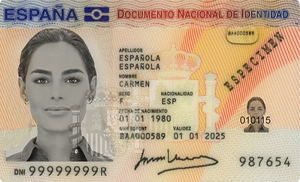
A national ID card (DNI) is the document used to verify a person’s identity, whether in person with law enforcement or online when filling out forms. In face-to-face situations, identity theft is far more difficult because the document includes a photo for verification.

Online, however, it’s a different story. Since your face isn’t tied to the number, stealing an ID becomes much easier. That’s why ID theft on the internet is alarmingly common, and many hackers and scammers exploit stolen IDs to commit all kinds of fraudulent activities for their own gain.

Below, we’ll break down the most frequent problems that occur when an ID number is stolen—and what steps you can take if it happens to you. Whether you’ve already been affected or want to prevent it, this guide will help you understand the risks and protect your identity. You’ll also learn what someone can do with a photocopy of your ID.


DNI


Is it risky to share your ID number?

Your national ID number is a sensitive piece of personal information—it’s often used to verify your identity when completing official procedures or online transactions. That’s why you should never share it with others, and under no circumstances should you post it publicly. Whenever you make a purchase online, double-check who you’re giving your details to.

One of the most common methods by which criminals steal this information is through phishing. In these scams, a fake website is designed to look legitimate. Victims enter their personal data without realizing it’s being captured and stolen.

Whenever you’re asked to provide your ID number online—whether in a form, an application, or a request—always make sure you know exactly who is requesting it and why. Just as important, never upload or share documents that display your ID number.

Some of the most frequent mistakes include:

  • Posting a photo of your ID to show your birthday.
  • Accidentally sending a copy to the wrong email address.
  • Giving it to second-hand sellers as a supposed “identity check.”

In most situations, none of this is necessary, and it should raise red flags.

Finally, avoid storing a copy of your ID in shared folders or on unprotected devices. If a file with your ID is saved on your computer or phone without proper security, hackers can access it and steal the document without you even noticing.

What can criminals do with your ID number online?

When cybercriminals get hold of your ID number online, their main goal is profit—and that usually means fraud. With just your ID number, a criminal can sign up for services in your name, leaving you responsible for the consequences.

They can also impersonate you when completing online transactions or official procedures. If those activities fall into a legal gray area—or are outright illegal—you may end up facing the consequences simply because your ID number is attached to them.

Some of the most common crimes linked to stolen IDs include:

  • Opening bank accounts in your name.
  • Applying for quick online loans.
  • Making purchases on e-commerce sites.
  • Registering on online gambling platforms.
  • Signing up for internet or subscription services.

These services are often easily accessible and require little to no verification. In many cases, simply providing an ID number is enough to set up an account—without you ever knowing. The problem comes when payments are missed or fraud is discovered. You’re the one who will be contacted first, since your ID number is on record.

At the end of the day, using a stolen ID is all about impersonation. The criminal enjoys the benefits of the service while you’re left to deal with the fallout.

What to do if you find your ID number online?

Avoiding posting your ID online is important, but sometimes it’s not enough. Even if you’ve been careful, someone else may upload your ID without your knowledge or consent. If you ever discover your ID number exposed on the internet, here’s what you should do:

  1. Contact the person or entity that uploaded it and request immediate removal.
  2. If you can’t reach them, contact the website hosting the content or the server provider.
  3. If there’s no response, or if the process drags on, file a report with the authorities right away.

Go to your local police station and report that your ID has been exposed online. Once your complaint is filed, authorities can take legal steps to have the content removed as quickly as possible.

Another option is to seek help from specialized services in online data removal, such as Repscan, or from regulatory agencies like the Spanish Data Protection Agency (AEPD).

When it comes to ID theft, speed is critical. The longer your ID remains online, the higher the risk it will be misused. That’s why the best course of action is to act immediately—whether by filing a police report or contacting professional services.


Is negative content harming your online reputation?

Photos, videos, negative reviews, or fake news can impact your image.
We help you remove or deindex them. Leave your details and we’ll contact you.

Is negative content harming your online reputation?

Photos, videos, negative reviews, or fake news can impact your image. We help you remove or deindex them. Leave your details and we’ll contact you.

a woman is using her phone sat by the side of her bed, her nails are painted red , she is scrolling through instagram

What to do if someone publishes your intimate content on internet?

In the digital age, the unauthorized distribution of intimate content is a growing issue that can have significant emotional and legal consequences for victims. If you find yourself in this situation, acting quickly is essential to minimize damage and remove intimate content from the internet.

In this step-by-step guide, we explain what to do to protect your privacy and assert your rights.

Customer service team with headsets standing in a row, ready to assist.

Robinson list: The list to stop unwanted calls in Spain

If you’re tired of unwanted spam calls, this article will be of great interest to you. We will inform you about the Robinson list which will stop unwanted calls from companies. This will put an end to advertising calls from all kinds of sales representatives, from mobile operators to insurance companies, is as simple as signing up for the Robinson List.

Here, we’ll explain everything you need to know about this list and how to ensure that it works effectively.

A person is using a laptop in bed. Sixty percent of the image is covered by a wall in the foreground, symbolizing that this person is in another room and that someone is observing. This wall is blurred or has bokeh. The focus is on him, who is sitting cross-legged on a bed. The photo is taken, and the room is lit. He has the laptop resting on his crossed legs.

How to protect your privacy when watching adult content?

Consuming adult content is a private activity that many prefer to keep anonymous. However, the reality is that our online activities can be tracked by browsers, internet providers, advertisers, and even cybercriminals. In this article, we will explore the risks there are to your privacy when watching adult content and how you can protect your personal information to browse more safely.

A woman is standing behind a boy, touching his shoulder with one hand. They are both looking at the computer screen. He is using the keyboard and mouse of the computer.

Preventing minors from accessing adult content

Preventing minors from accessing adult content is very important in the digital age. As parents or guardians, it is essential to take steps to protect them and ensure their online experience is safe and appropriate for their age.

Below, we explain the best strategies and tools to prevent minors from accessing adult content.

A girl with arms crossed in a way that covers her torso, she has a fixed gaze straight ahead with eyes wide open. Behind her, against a grayish wall, shadows of hands and arms can be seen playing with some threads.

Pornographic deepfakes: A new privacy risk

Pornographic deepfakes are a type of manipulated content generated using artificial intelligence that alters videos or images to replace one person’s face with another’s without their consent. This use of technology poses serious risks to victims’ privacy and reputation, becoming an increasingly significant threat in the digital environment.

In this page we will talk more about this: